
Health Solutions
Home > Health Solutions
How Can We Help?
- +0215557874
- info@nutraceutical.com

Bone Health
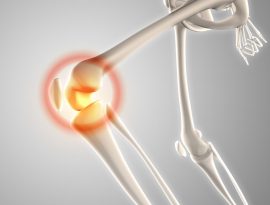
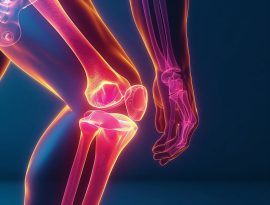
Maintaining bone health is crucial for overall well-being and quality of life. Here are the key benefits of maintaining strong and healthy bones.
Readmore...
1. Reduced Risk of Fractures and Injuries:
Healthy bones are less likely to break or fracture from falls or accidents. This is particularly important as you age when bones naturally become more brittle.
2. Enhanced Mobility and Independence:
Strong bones support your muscles, enabling better balance, coordination, and mobility. This helps maintain independence, especially in older age.
3. Prevention of Osteoporosis:
Good bone health helps prevent osteoporosis, a condition where bones become weak and brittle. This reduces the likelihood of fractures, particularly in the spine, hips, and wrists.
4. Support for Overall Physical Activity:
Strong bones are the foundation for physical activities, from daily tasks to exercise. Maintaining bone health allows you to stay active and participate in sports or fitness routines.
5. Improved Posture:
Healthy bones contribute to good posture by supporting the skeletal structure. This can prevent back pain and other issues related to poor alignment.
6. Protection of Vital Organs:
Bones provide protection for vital organs such as the brain, heart, and lungs. For example, the skull protects the brain, and the ribcage shields the heart and lungs.
7. Calcium Reservoir:
Bones act as a reservoir for calcium, which is essential for various bodily functions, including nerve transmission, muscle contraction, and blood clotting. Healthy bones ensure a stable calcium supply when needed.
8. Reduced Risk of Chronic Diseases:
Maintaining bone health through a balanced diet and regular exercise can also lower the risk of chronic diseases like diabetes and cardiovascular conditions.
9. Better Quality of Life:
Healthy bones contribute to overall physical health, reducing the likelihood of chronic pain, disability, and the need for long-term care. This leads to a better quality of life, particularly in later years.

Tips for Maintaining Bone Health
Adequate Calcium and Vitamin D Intake.
Ensure sufficient intake of calcium-rich foods and vitamin D for bone mineralization
Avoid Smoking and Excessive Alcohol.
Both can weaken bones and increase the risk of osteoporosis.
Regular Weight-Bearing Exercise.
Engage in activities like walking, jogging, or weightlifting to strengthen bones.

Healthy Diet
A diet rich in fruits, vegetables, lean proteins, and whole grains supports bone health.
Anemic Condition
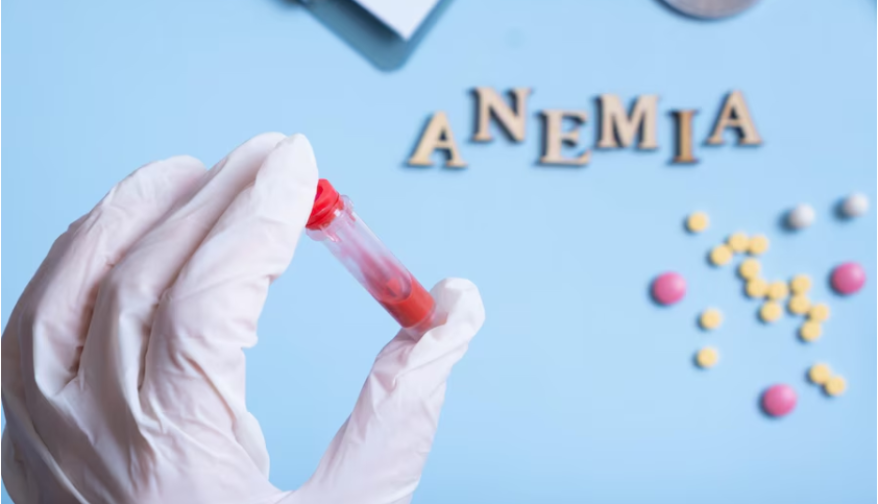
Preventing anemia involves adopting lifestyle habits and dietary choices that support the production of healthy red blood cells and hemoglobin levels. Here are some effective tips to prevent anemia.
Precaution to Treat Anemia: (Click To Read More)
1. Eat a Balanced Diet Rich in Iron
– Heme Iron Sources: Include red meat, poultry, and fish, as they contain heme iron, which is more easily absorbed by the body.
-Non-Heme Iron Sources: Incorporate plant-based sources like beans, lentils, tofu, spinach, and fortified cereals. Pair these with vitamin C-rich foods to enhance iron absorption.
2. Increase Vitamin C Intake
– Vitamin C helps your body absorb non-heme iron more effectively. Include fruits like oranges, strawberries, kiwi, and vegetables like bell peppers, broccoli, and tomatoes in your diet.
3. Incorporate Folate-Rich Foods
– Folate (vitamin B9) is essential for the production of red blood cells. Include foods like leafy greens, beans, peas, nuts, and fortified grains to ensure adequate folate intake.
4. Get Enough Vitamin B12
– Vitamin B12 is crucial for red blood cell formation. Include animal products such as eggs, dairy, meat, and fish, or take supplements if you follow a vegetarian or vegan diet.
5. Limit Intake of Iron-Inhibiting Foods
– Certain foods can inhibit iron absorption, such as tea, coffee, and foods high in calcium. Try to consume these separately from iron-rich meals.
6. Stay Hydrated
– Proper hydration is important for overall health and aids in the transport of nutrients, including iron, in the blood.
7. Avoid Excessive Alcohol Consumption
– Alcohol can interfere with the body’s ability to absorb nutrients, including iron, and can also damage the bone marrow where blood cells are produced.
8. Regular Physical Activity
– Engage in moderate exercise, which can help stimulate the production of red blood cells and improve circulation.
9. Manage Chronic Conditions
– If you have a chronic condition like kidney disease, inflammatory bowel disease, or another disorder that affects nutrient absorption, work with your healthcare provider to manage the condition and prevent anemia.
10. Regular Health Checkups
– Regular blood tests can help detect anemia early. If you have a history of anemia or are at higher risk, keep up with routine checkups and follow your doctor’s advice.
11. Consider Iron Supplements if Needed
– If you’re at risk for anemia or have been diagnosed with low iron levels, your doctor may recommend iron supplements. Take them as directed and avoid self-prescribing, as too much iron can be harmful.
12. Monitor for Symptoms
– Be aware of anemia symptoms like fatigue, weakness, pale skin, shortness of breath, dizziness, or cold hands and feet. If you experience these, consult a healthcare provider.

Anemic Condition
Preventing anemia involves adopting lifestyle habits and dietary choices that support the production of healthy red blood cells and hemoglobin levels. Here are some effective tips to prevent anemia.
Readmore...
1. Eat a Balanced Diet Rich in Iron
– Heme Iron Sources: Include red meat, poultry, and fish, as they contain heme iron, which is more easily absorbed by the body.
-Non-Heme Iron Sources: Incorporate plant-based sources like beans, lentils, tofu, spinach, and fortified cereals. Pair these with vitamin C-rich foods to enhance iron absorption.
2. Increase Vitamin C Intake
– Vitamin C helps your body absorb non-heme iron more effectively. Include fruits like oranges, strawberries, kiwi, and vegetables like bell peppers, broccoli, and tomatoes in your diet.
3. Incorporate Folate-Rich Foods
– Folate (vitamin B9) is essential for the production of red blood cells. Include foods like leafy greens, beans, peas, nuts, and fortified grains to ensure adequate folate intake.
4. Get Enough Vitamin B12
– Vitamin B12 is crucial for red blood cell formation. Include animal products such as eggs, dairy, meat, and fish, or take supplements if you follow a vegetarian or vegan diet.
5. Limit Intake of Iron-Inhibiting Foods
– Certain foods can inhibit iron absorption, such as tea, coffee, and foods high in calcium. Try to consume these separately from iron-rich meals.
6. Stay Hydrated
– Proper hydration is important for overall health and aids in the transport of nutrients, including iron, in the blood.
7. Avoid Excessive Alcohol Consumption
– Alcohol can interfere with the body’s ability to absorb nutrients, including iron, and can also damage the bone marrow where blood cells are produced.
8. Regular Physical Activity
– Engage in moderate exercise, which can help stimulate the production of red blood cells and improve circulation.
9. Manage Chronic Conditions
– If you have a chronic condition like kidney disease, inflammatory bowel disease, or another disorder that affects nutrient absorption, work with your healthcare provider to manage the condition and prevent anemia.
10. Regular Health Checkups
– Regular blood tests can help detect anemia early. If you have a history of anemia or are at higher risk, keep up with routine checkups and follow your doctor’s advice.
11. Consider Iron Supplements if Needed
– If you’re at risk for anemia or have been diagnosed with low iron levels, your doctor may recommend iron supplements. Take them as directed and avoid self-prescribing, as too much iron can be harmful.
12. Monitor for Symptoms
– Be aware of anemia symptoms like fatigue, weakness, pale skin, shortness of breath, dizziness, or cold hands and feet. If you experience these, consult a healthcare provider.
Preventing anemia



Preventing anemia is about maintaining a nutrient-rich diet, staying active, and addressing any underlying health issues that might contribute to low red blood cell levels.

Pregnancy Care
Good pregnancy care is essential for the health and well-being of both the mother and the developing baby. Here’s a comprehensive guide to ensure a healthy and safe pregnancy:
Readmore...
1. Regular Prenatal Checkups
– Early and Consistent Care: Start prenatal care as soon as you know you’re pregnant. Regular visits to your healthcare provider help monitor the baby’s development and address any concerns.
– Routine Screenings: Participate in all recommended tests and screenings to track your health and the baby’s growth. These include ultrasounds, blood tests, and glucose screenings.
2. Healthy Eating and Nutrition
– Balanced Diet: Focus on a diet rich in fruits, vegetables, whole grains, lean proteins, and healthy fats. These provide essential nutrients for the baby’s development.
– Folic Acid: Take a prenatal vitamin that includes folic acid to help prevent neural tube defects. Foods like leafy greens, beans, and fortified cereals also contain folic acid.
– Iron and Calcium: Ensure adequate intake of iron (to prevent anemia) and calcium (for strong bones and teeth) through diet and supplements if recommended.
– Hydration: Drink plenty of water to stay hydrated and support increased blood volume during pregnancy.
3. Exercise and Physical Activity
– Stay Active: Engage in moderate exercise, like walking, swimming, or prenatal yoga, to maintain fitness, reduce stress, and improve circulation.
– Consult with Your Doctor: Before starting or continuing an exercise routine, consult your healthcare provider to ensure the activities are safe for your pregnancy stage.
4. Adequate Rest and Sleep
– Prioritize Sleep: Aim for 7-9 hours of sleep each night. Use pillows to support your body and find a comfortable sleeping position, ideally on your side.
– Manage Stress: Practice relaxation techniques like deep breathing, meditation, or gentle stretching to reduce stress and improve sleep quality.
5. Avoid Harmful Substances
– No Alcohol, Smoking, or Drugs: Avoid alcohol, smoking, and recreational drugs, as they can harm the baby’s development and increase the risk of complications.
– Limit Caffeine: Keep caffeine intake to a minimum, as high levels can be harmful during pregnancy.
6. Manage Common Discomforts
– Morning Sickness: Eat small, frequent meals and stay hydrated. Ginger and vitamin B6 supplements may help, but consult your healthcare provider first.
– Back Pain: Maintain good posture, use supportive footwear, and consider prenatal massages or physical therapy.
– Swelling: Elevate your feet, stay hydrated, and avoid standing for long periods to reduce swelling in the legs and ankles.
7. Mental and Emotional Well-being
– Seek Support: Talk about your feelings with your partner, family, or friends. Consider joining a prenatal support group to connect with others going through similar experiences.
– Mental Health: If you feel overwhelmed, anxious, or depressed, don’t hesitate to seek professional help. Prenatal depression and anxiety are common and treatable.
8. Educate Yourself
– Prenatal Classes: Attend prenatal classes to learn about childbirth, breastfeeding, and newborn care.
– Read and Research: Inform yourself about the different stages of pregnancy, labor, and postpartum recovery.
9. Prepare for Birth
– Birth Plan: Discuss your preferences for labor and delivery with your healthcare provider, including pain management, birthing positions, and who will be present.
– Hospital Bag: Pack a hospital bag with essentials for you and your baby well in advance of your due date.
10. Plan for Postpartum Care
– Support System: Arrange for help at home after the baby is born, whether from family, friends, or a postpartum doula.
– Postpartum Checkup: Schedule a postpartum visit with your healthcare provider to ensure you’re recovering well and to discuss any concerns.
11. Stay Informed about Vaccinations
– Get Vaccinated: Ensure you are up to date on recommended vaccines, such as the flu shot and the Tdap vaccine, to protect both you and your baby.
12. Monitor Baby’s Movements
– Kick Counts: After about 28 weeks, track your baby’s movements to ensure they are active. If you notice a decrease in movement, contact your healthcare provider.



Taking proactive
Taking care of yourself during pregnancy is the best way to ensure a healthy, happy outcome for both you and your baby. Regular medical care, a balanced diet, exercise, rest, and emotional support are all key components of good pregnancy care.

Fertility Care
Fertility care and management involve proactive steps to enhance reproductive health and increase the likelihood of conception. Whether you’re planning to conceive soon or in the future, understanding and managing factors that affect fertility is crucial. Here’s a comprehensive guide to fertility care and management:
Readmore...
1. Understand Your Fertility
– Menstrual Cycle Tracking: For women, tracking the menstrual cycle helps identify ovulation, the most fertile period. Use apps, basal body temperature charts, or ovulation predictor kits.
– Fertility Testing: If you’re concerned about fertility, consider tests such as hormonal assessments, semen analysis for men, and ovarian reserve testing for women.
2. Healthy Lifestyle Choices
– Maintain a Healthy Weight: Being underweight or overweight can affect hormone levels and ovulation. Aim for a balanced diet and regular exercise to maintain a healthy BMI.
– Balanced Diet: Eat a nutrient-rich diet that includes plenty of fruits, vegetables, lean proteins, and whole grains. Nutrients like folic acid, iron, zinc, and omega-3 fatty acids are important for reproductive health.
– Stay Hydrated: Proper hydration supports overall health and reproductive functions.
3. Manage Stress
– Stress Reduction Techniques: Chronic stress can affect fertility. Practice relaxation techniques such as meditation, yoga, deep breathing, or other stress-relief methods.
– Counseling or Support Groups: Consider speaking to a therapist or joining a support group if stress or anxiety is impacting your fertility journey.
4. Avoid Harmful Substances
– No Smoking: Smoking affects both male and female fertility by damaging eggs and sperm and reducing fertility rates.
– Limit Alcohol: Moderate to heavy drinking can negatively impact fertility. It’s best to limit alcohol consumption when trying to conceive.
– Avoid Recreational Drugs:
Drugs can impair fertility and should be avoided.
5. Exercise Moderately
– Balanced Exercise: Engage in regular, moderate exercise to maintain a healthy weight and reduce stress. However, excessive exercise can lead to hormonal imbalances and affect ovulation, so it’s important to find a balance.
6. Monitor and Manage Medical Conditions
– Chronic Conditions: Manage conditions like diabetes, thyroid disorders, or polycystic ovary syndrome (PCOS) with the help of your healthcare provider, as they can affect fertility.
– Medications: Review all medications with your healthcare provider to ensure they are safe for conception. Some medications can impact fertility.
7. Optimal Timing for Conception
– Timing Intercourse: For women, having intercourse during the fertile window (the days leading up to and including ovulation) increases the chances of conception.
– Frequent Intercourse: Regular intercourse, 2-3 times a week, helps ensure that sperm is available when ovulation occurs.
8. Consider Fertility Treatments
– Medical Consultation: If you’ve been trying to conceive for a year (or six months if over age 35) without success, consult a fertility specialist.
– Fertility Treatments: Depending on the cause, treatments may include medications (like Clomid or gonadotropins), intrauterine insemination (IUI), or in vitro fertilization (IVF).
– Assisted Reproductive Technologies (ART): Techniques like IVF, ICSI (intracytoplasmic sperm injection), or egg/sperm donation may be recommended for more complex cases.
11. Supportive Supplements
– Prenatal Vitamins: For women, taking prenatal vitamins that include folic acid can help prepare the body for pregnancy.
– CoQ10 and Antioxidants: Some studies suggest that CoQ10 and antioxidants like vitamins C and E can improve egg and sperm quality.
12. Environmental Factors
– Minimize Exposure to Toxins: Avoid exposure to environmental toxins like pesticides, heavy metals, and chemicals found in certain plastics (like BPA), which can affect fertility.
– Workplace Hazards: Be mindful of occupational hazards that could impact fertility, such as exposure to radiation or industrial chemicals.
13. Consider Age-Related Fertility Factors
– Understand Age and Fertility: Female fertility declines with age, especially after 35. While male fertility also decreases with age, it’s typically at a slower rate.
– Early Planning: If you plan to have children later in life, consider discussing fertility preservation options with a healthcare provider.
14. Stay Informed
– Education: Stay informed about fertility health through reputable sources, and consider seeing a fertility specialist if you have concerns.
– Support Networks: Join fertility support groups or online communities to connect with others on similar journeys and share experiences.



Taking proactive
Steps to manage and support fertility can improve your chances of conception and overall reproductive health. Whether you’re planning to conceive soon or considering future options, maintaining a healthy lifestyle, managing medical conditions, and seeking professional guidance are key to successful fertility care.

Wellness Guides
Maintaining a balanced diet and healthy lifestyle is essential for overall well-being and long-term health. Here are some tips to help you achieve and maintain this balance:
Readmore...
1. Eat a Variety of Nutrient-Rich Foods
– Balance Your Plate: Include a mix of fruits, vegetables, whole grains, lean proteins, and healthy fats in your meals. Aim for a colorful plate to ensure a range of nutrients.
– Portion Control: Pay attention to portion sizes to avoid overeating. Use smaller plates if necessary, and try to stop eating when you feel satisfied, not full.
2. Stay Hydrated
– Drink Plenty of Water: Aim to drink at least 8 cups (2 liters) of water daily. Proper hydration supports digestion, energy levels, and overall bodily functions.
– Limit Sugary Drinks: Reduce consumption of sugary beverages like soda, energy drinks, and sweetened coffee or tea. Opt for water, herbal teas, or infused water with fruits.
3. Prioritize Whole Foods
– Minimize Processed Foods: Processed foods often contain added sugars, unhealthy fats, and preservatives. Focus on whole, minimally processed foods for better nutrition.
– Read Labels: When you do buy packaged foods, check the nutrition labels to avoid excessive sugar, salt, and unhealthy fats.
4. Practice Mindful Eating
– Eat Slowly: Take your time to chew and savor your food. This can help prevent overeating and improve digestion.
– Listen to Your Body: Pay attention to hunger and fullness cues. Eat when you’re hungry, and stop when you’re satisfied.
5. Incorporate Regular Physical Activity
– Exercise Regularly: Aim for at least 150 minutes of moderate aerobic activity or 75 minutes of vigorous activity each week, plus strength training twice a week.
– Stay Active Daily: Find ways to incorporate physical activity into your daily routine, such as taking the stairs, walking or biking instead of driving, or doing a quick workout at home.
6. Get Enough Sleep
– Prioritize Sleep: Aim for 7-9 hours of sleep each night. Quality sleep is essential for energy, mental clarity, and overall health.
– Create a Sleep Routine: Establish a regular sleep schedule by going to bed and waking up at the same time every day, even on weekends.
7. Manage Stress
– Practice Stress-Relief Techniques: Engage in activities that reduce stress, such as yoga, meditation, deep breathing, or spending time in nature.
– Stay Connected: Maintain strong relationships with family and friends for emotional support.
8. Avoid Harmful Habits
– No Smoking: Avoid smoking and exposure to secondhand smoke, as it is harmful to nearly every organ in your body.
– Limit Alcohol: If you drink alcohol, do so in moderation—up to one drink per day for women and two for men.
9. Regular Health Checkups
– Routine Screenings: Stay on top of regular medical checkups and screenings for blood pressure, cholesterol, blood sugar, and other health markers.
– Preventive Care: Follow recommended immunizations and preventive measures to maintain your health.
10. Set Realistic Goals
– Small, Achievable Steps: Set small, realistic goals for diet and exercise changes. Gradual improvements are more sustainable in the long term.
– Monitor Progress: Keep track of your progress, and celebrate small victories to stay motivated.
11. Plan and Prepare Meals
– Meal Prep: Plan and prepare meals ahead of time to avoid unhealthy last-minute food choices. This also helps with portion control and sticking to your nutrition goals.
– Healthy Snacks: Keep healthy snacks, like fruits, nuts, or yogurt, on hand to avoid reaching for junk food when hunger strikes.
12. Stay Informed and Educated
– Continue Learning: Stay informed about nutrition and health trends from reliable sources, but avoid fad diets. Focus on balanced eating patterns that work for you.



Tips into your daily routine
By incorporating these tips into your daily routine, you can maintain a balanced diet and healthy lifestyle that supports your physical and mental well-being.